
Duckhead Umbrella
Anthropometric Analysis
The duckhead umbrella is both iconic and adorable, but is it a truly practical item? How well does its compact design serve users of different sizes?
To find out, I took measurements and used anthropometric data to evaluate the design of the Duckhead umbrella and identify potential improvements.
Device Measurements
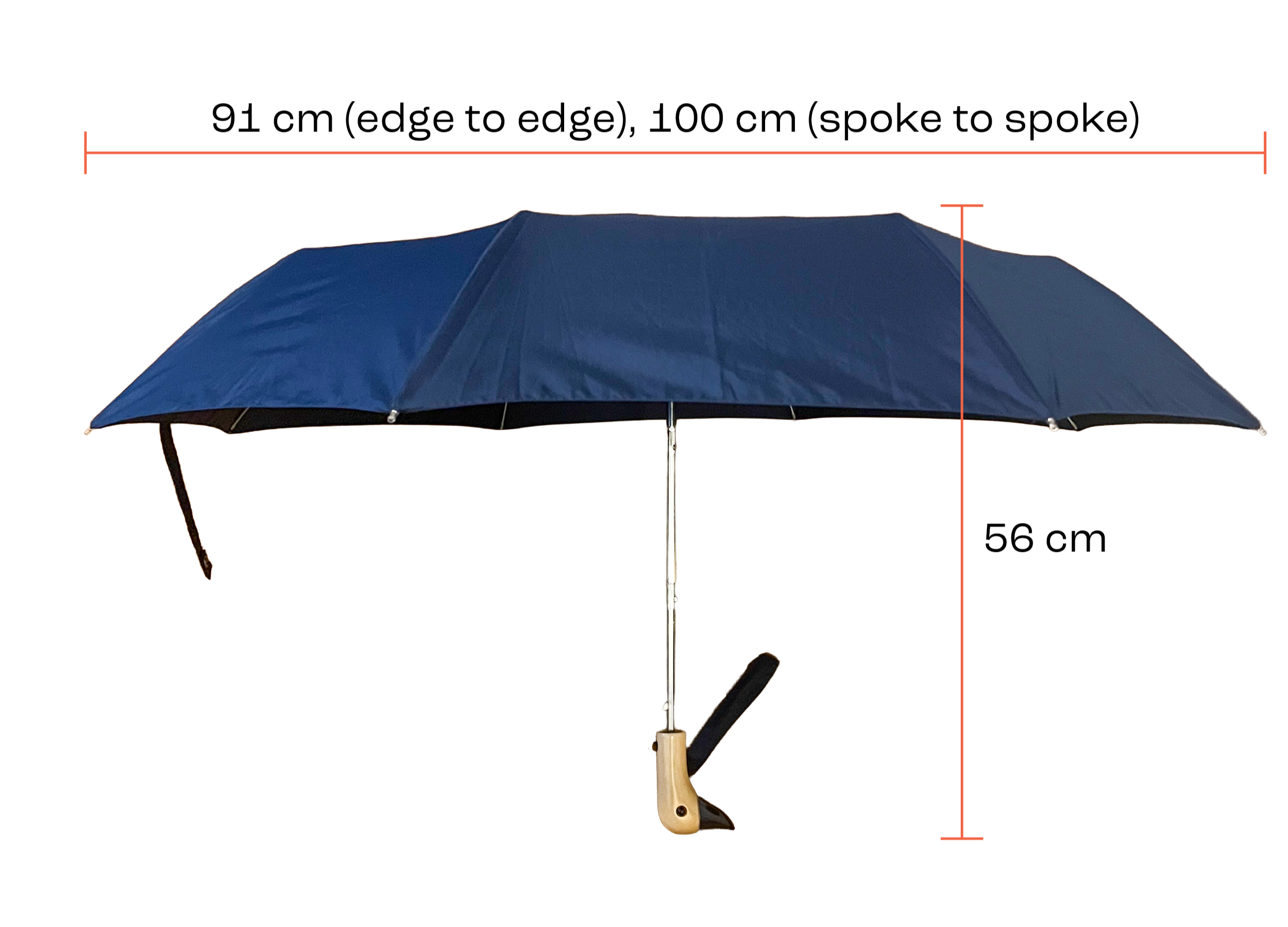
Canopy diameter edge to edge: 91 cm
Canopy diameter spoke to spoke: 100 cm
Length when open: 56 cm
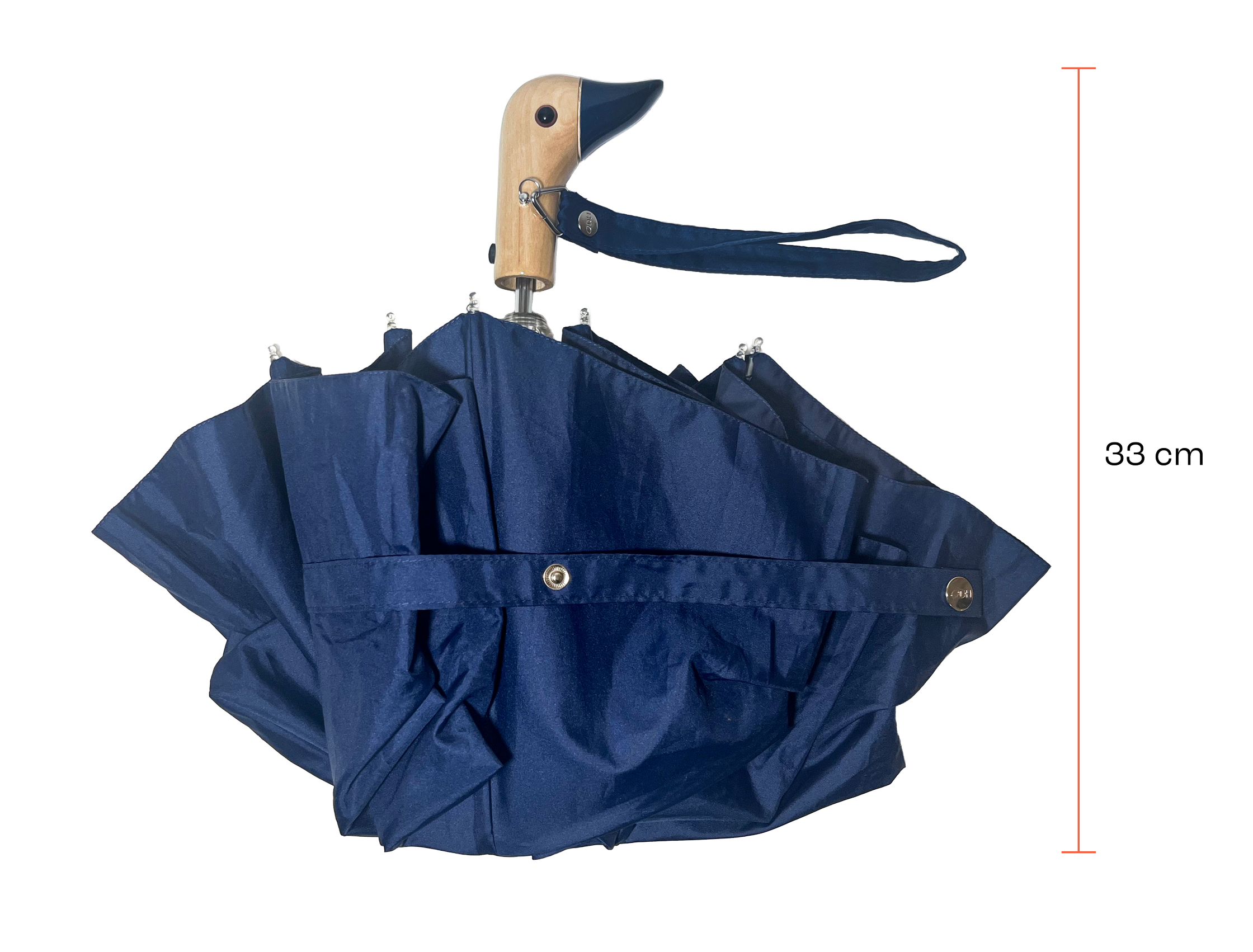
Length when closed: 33 cm
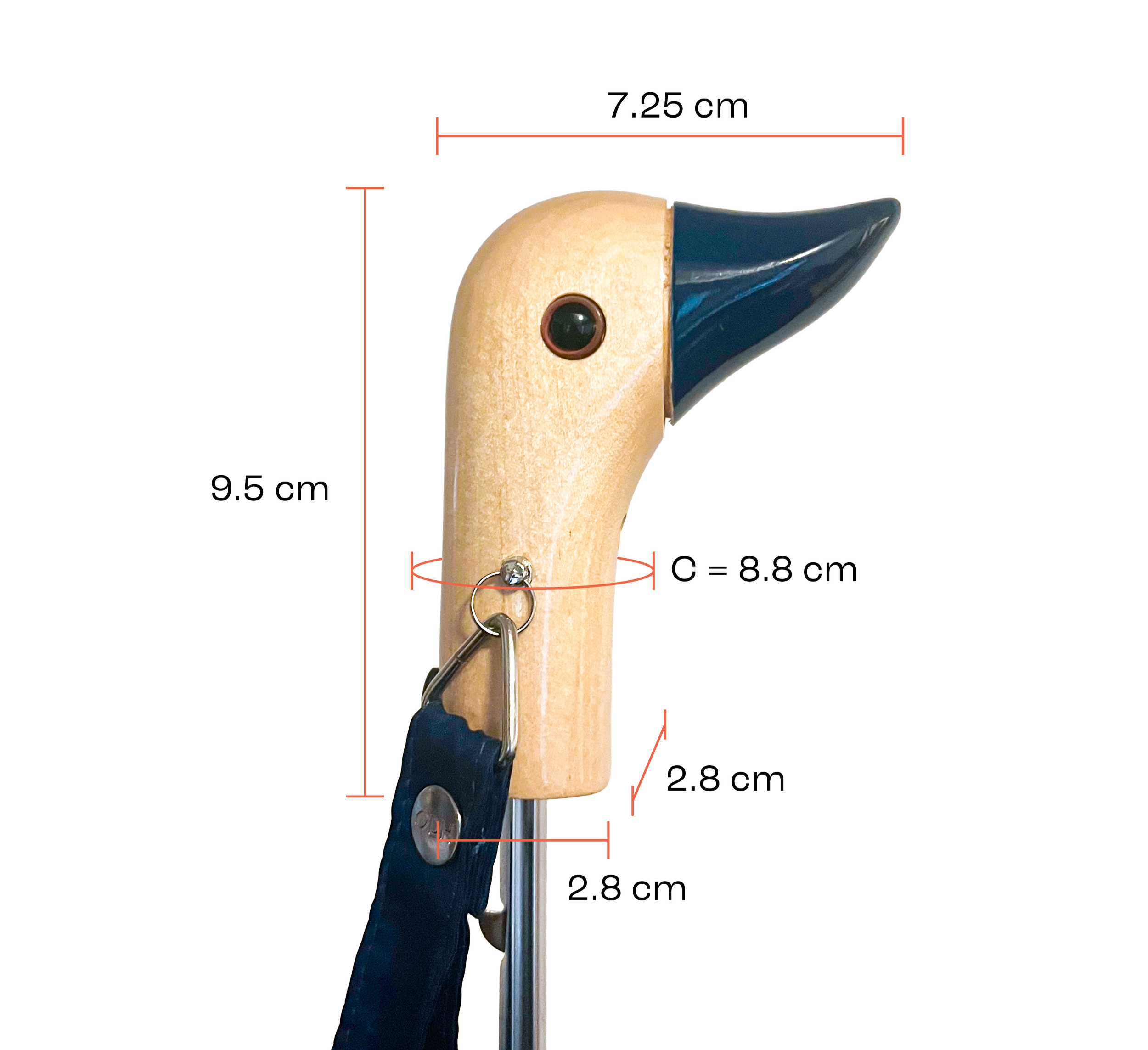
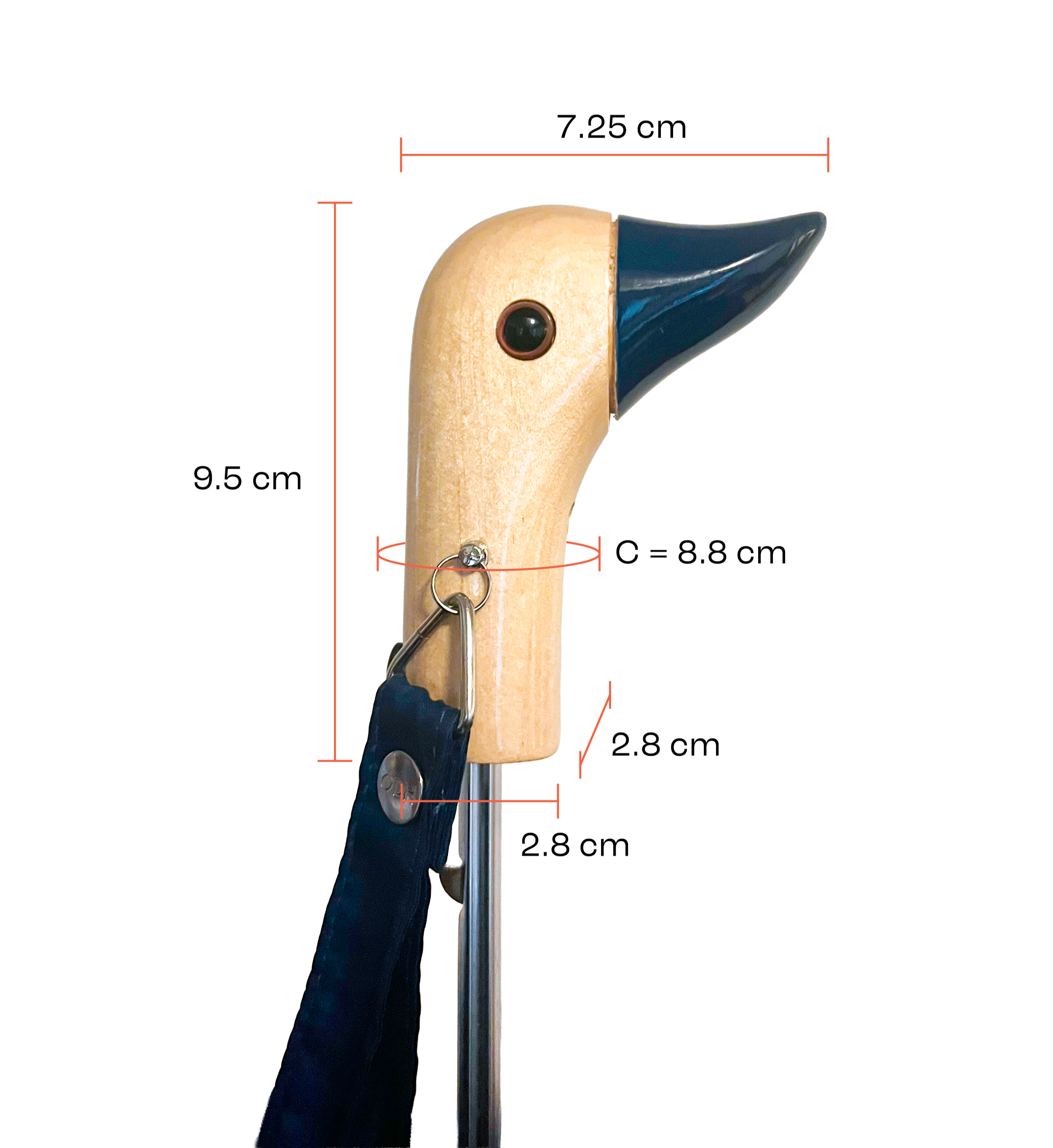
Handle length: 9.5 cm
Handle diameter: 2.8 cm
Handle circumference: 8.8 cm
Handle crook length: 7.25 cm
Anthropometrics
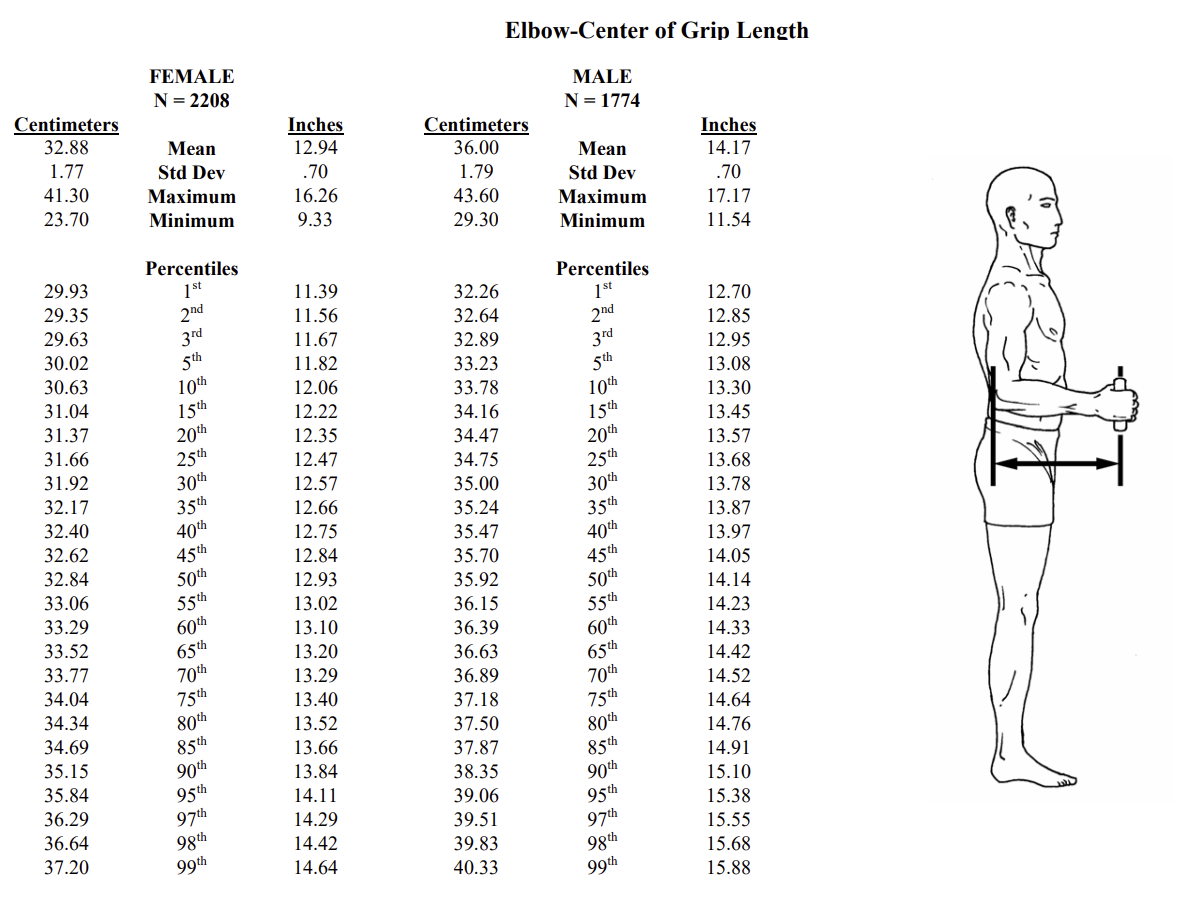
Elbow to Center of Grip Length
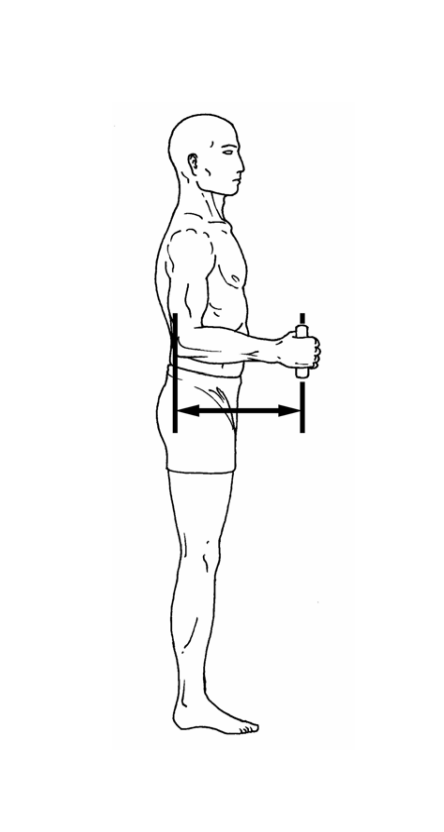
Male
Mean: 36.00 cm
5th percentile: 33.23 cm
95th percentile: 39.06 cm
Female
Mean: 32.88 cm
5th percentile: 30.02 cm
95th percentile: 35.84 cm
Analysis
Based on these measurements, the radius of the umbrella’s canopy should accommodate users with a grip distance ranging from 30.02 cm to 39.06 cm in order to be usable for 90% of the population. It should also include extra coverage to account for the fact that rain often falls at a slight angle and users may not always be centered under the umbrella as they move.
The Duckhead canopy radius is roughly 47.75 cm. While this is sufficient, the margin of coverage for users in the higher percentiles is quite narrow, with less than 9 cm of extra coverage for users in the 95th percentile.
Height from Waist Up
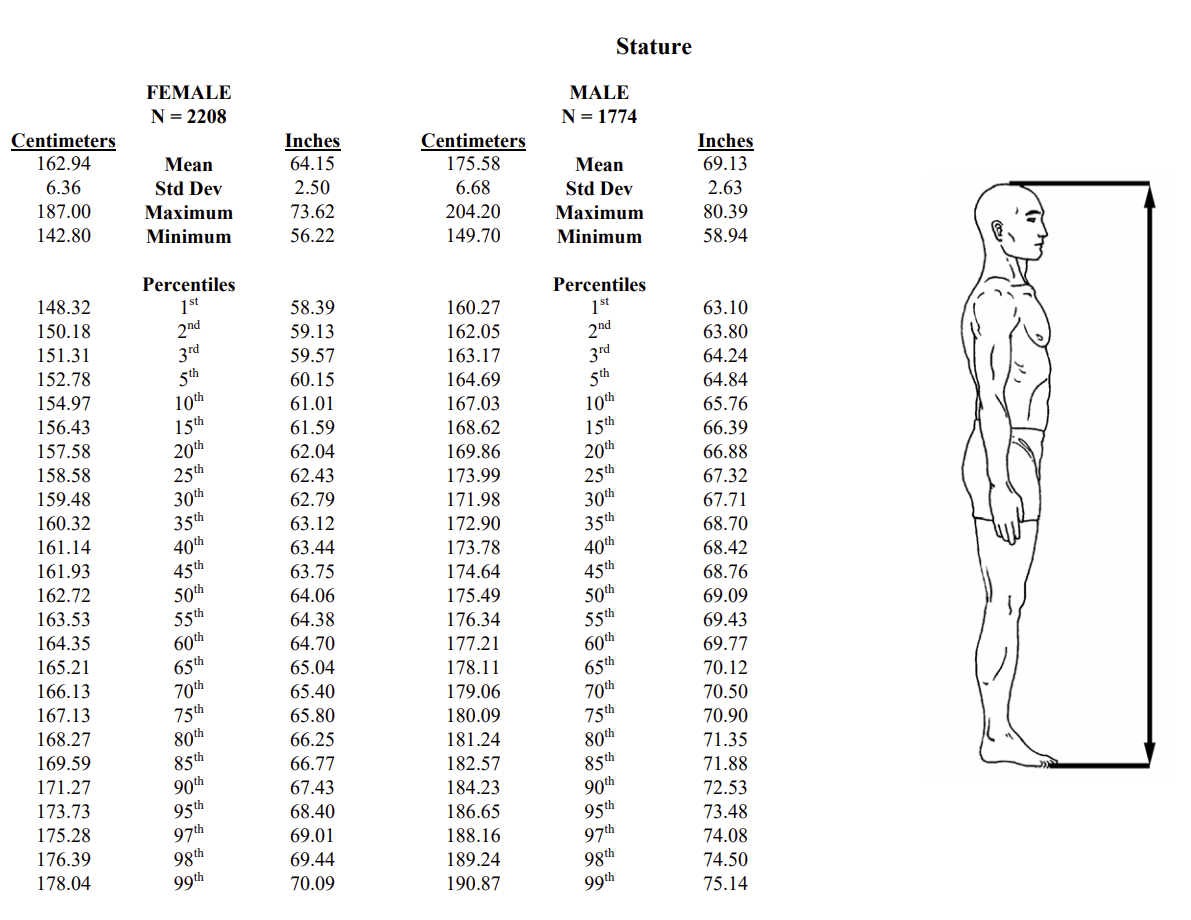
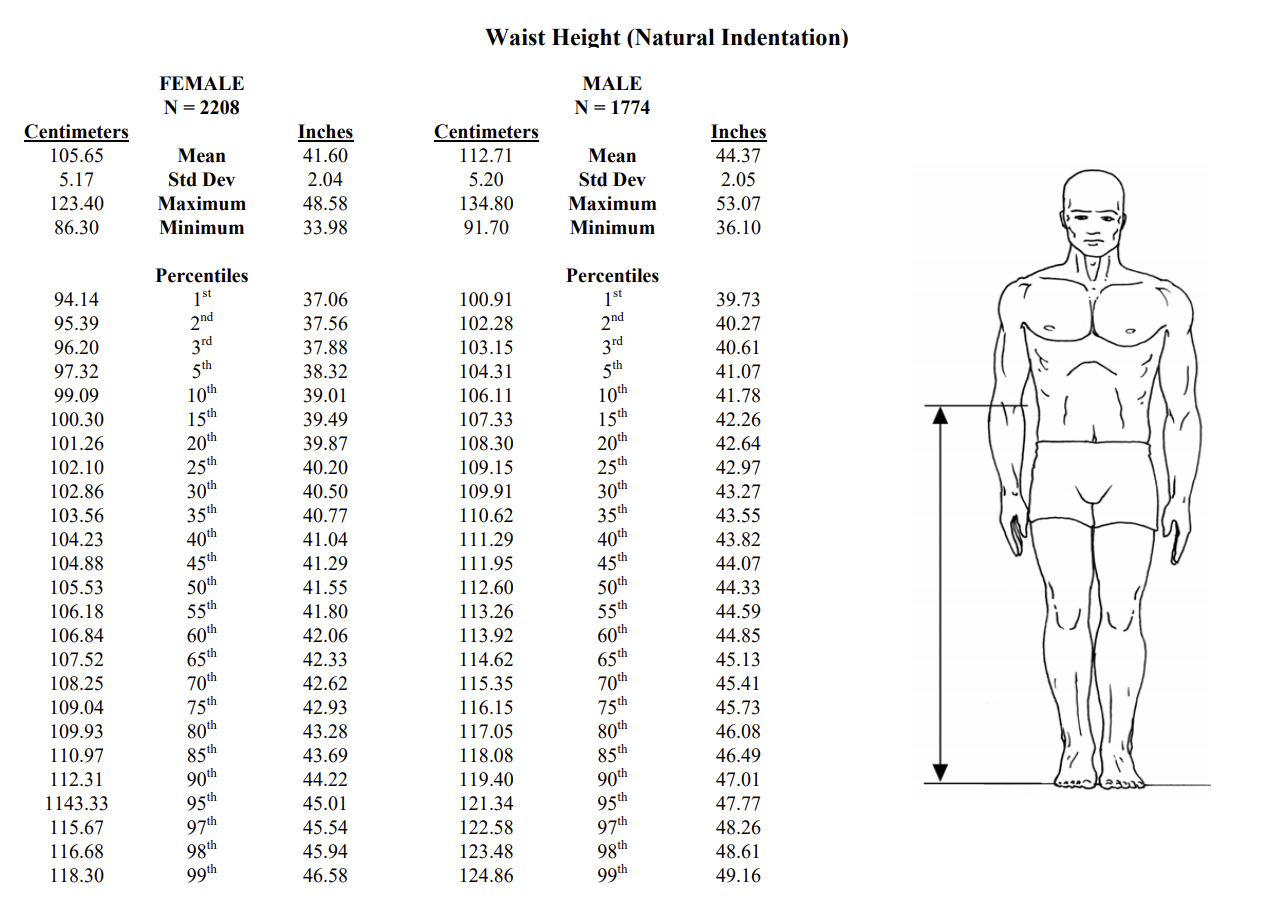
Although I couldn’t find anthropometric data tables explicitly concerning height from the waist up, I was able to to estimate the mean values by subtracting mean waist height data from mean height data. Unfortunately, because the correlation between stature and waist height was not known for this data set, I was unable to estimate the distribution of waist-up height.
Male
Mean = 175.58 - 112.71 = 62.87 cm
Female
Mean = 162.94 - 105.65 = 57.29 cm
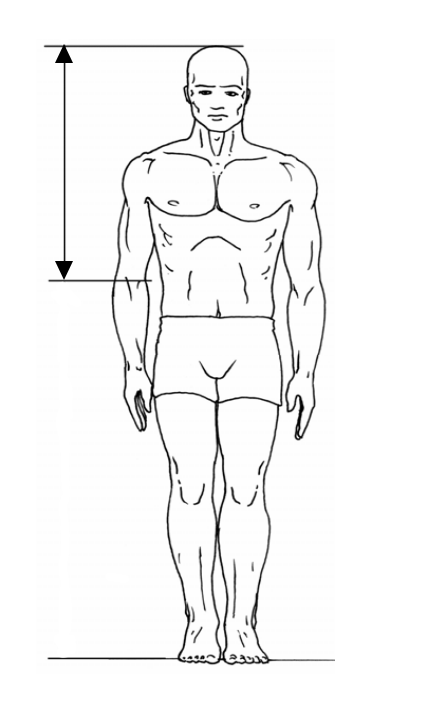
Analysis
The Duckhead umbrella has a height of 56 cm when open. Assuming that users carry the umbrella with their elbow at a 90° angle (hand at waist height), the center pole is not long enough to accommodate the average male, and falls just short of accommodating the average female. Realistically, users will adjust their elbow angle to hold the umbrella above their heads. However, holding the umbrella with an arm bent at a more extreme angle is a less comfortable position and is not as sustainable over long periods of time.
Evaluations
User Evaluation
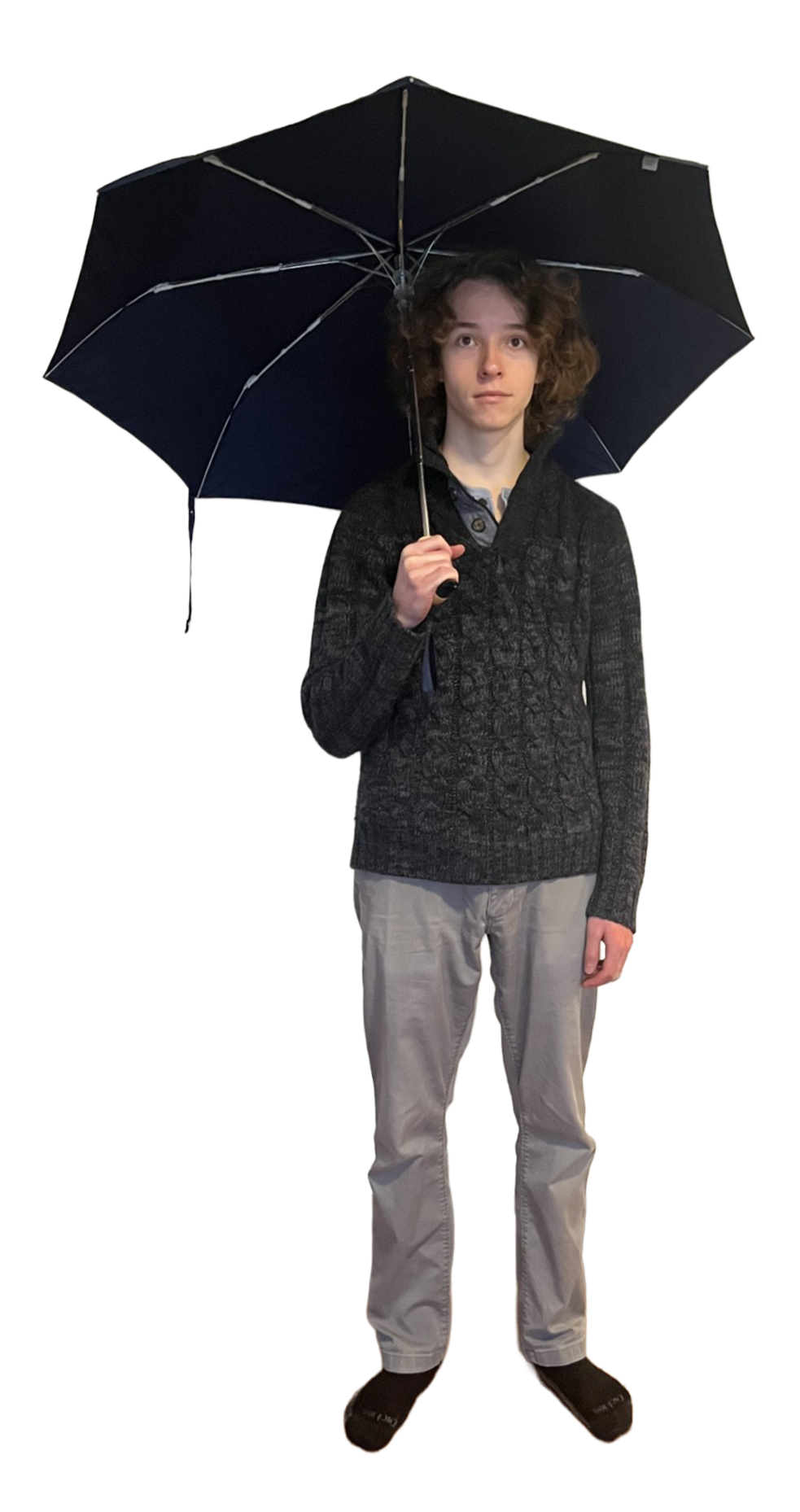
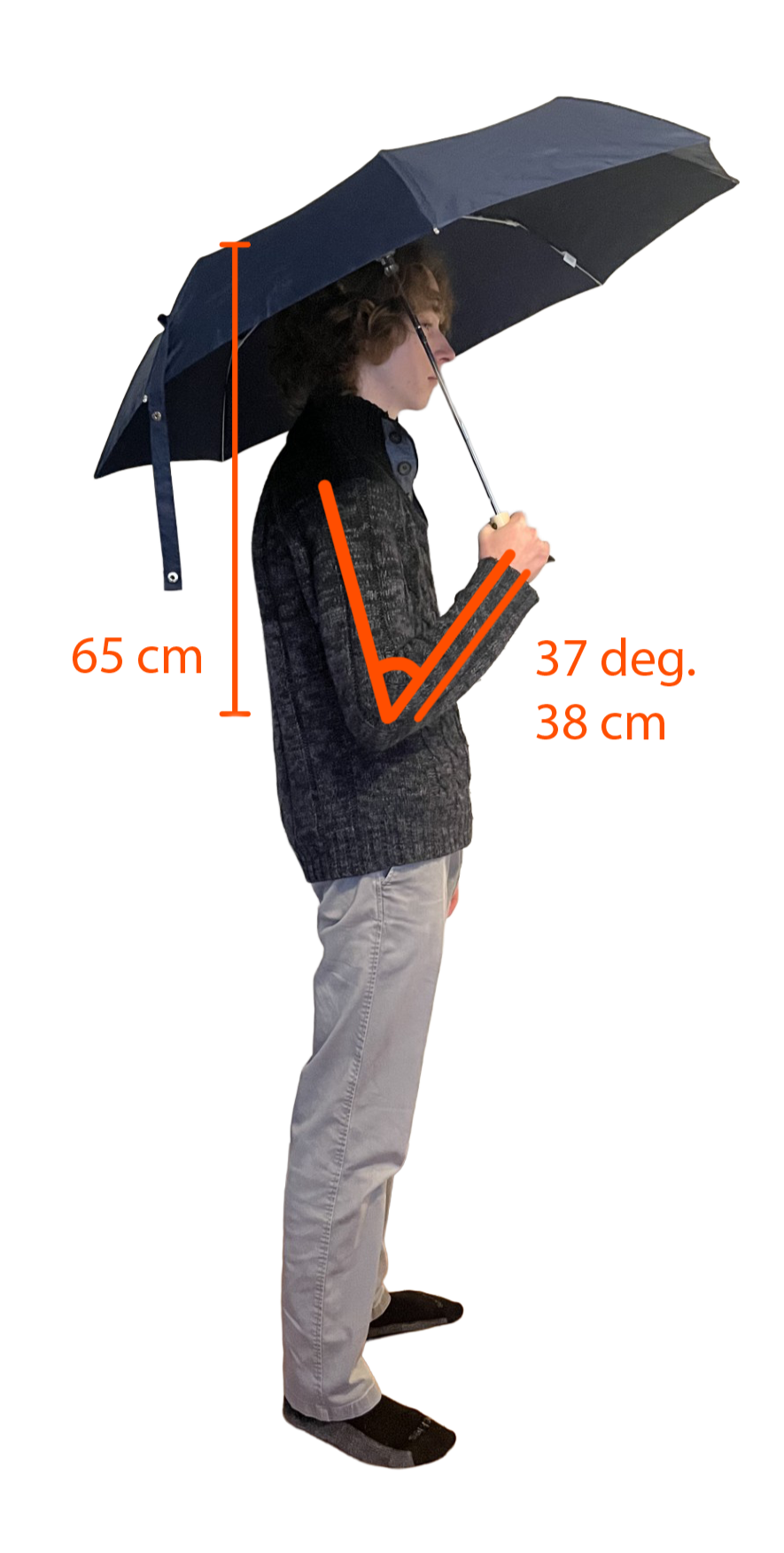
I evaluated how a 177 cm (5’10”) male user uses the Duckhead umbrella. His height from the waist up is 65 cm, 2.13 cm above the mean for the male population. His elbow to center-of-grip length is 38 cm, also on the higher end. In order to hold the umbrella over his head, his arm is bent at a 37° angle. This is a reasonable angle, but it involves more strain than a 90° angle bend and could cause discomfort if he is carrying the umbrella for a long period of time.
The user expressed concern that his arm position would become uncomfortable with extended use of the umbrella. He also remarked that he is accustomed to umbrellas having longer center poles, and that the Duckhead’s pole seemed shorter than most.
User elbow to center-of-grip distance: 38.0 cm
Mean male elbow to center-of-grip distance: 36.0 cm
Standard deviation: 1.79
Z-score = (38.0 - 36.0) / 1.79 = 1.12
The z-score indicates that the user’s elbow to center-of-grip length is 1.12 standard deviations above the mean, in roughly the 87th percentile.
Product Evaluation
Ideal male user elbow to center of grip length:
47.75 - 10 = 37.75 cm (assuming 10 cm of extra coverage)
Mean male elbow to center-of-grip distance: 36.0 cm
Standard deviation: 1.79
Z-score = (37.75 - 36.0) / 1.79 = 0.98
The z-score indicates that umbrella is designed to accommodate male users up to 0.98 standard deviations above the mean, or up to the 84th percentile.
Ideal female user elbow to center of grip length:
47.75 - 10 = 37.75 cm (assuming 10 cm of extra coverage)
Mean female elbow to center-of-grip distance: 32.88 cm
Standard deviation: 1.77
Z-score = (37.75 - 32.88) / 1.77 = 2.75
The z-score indicates that umbrella is designed to accommodate female users up to 2.75 standard deviations above the mean, >99% of female users.
Coupled with the fact that the umbrella rod length is too short for either the average male or female to carry it at a 90° angle, these calculations indicate that the Duckhead umbrella is not inclusively designed to accommodate 90% of the population. In particular, male users above the 84th percentile of forearm length would struggle with achieving both sufficient canopy coverage and a comfortable holding position. Due to these findings, I believe that the Duckhead umbrella was designed with women and adolescents in mind. This hypothesis is supported by the branding and visual design of the Duckhead company, which emphasizes traditionally feminine aesthetics (bright colors, floral patterns) and playful, youthful designs.
Design Improvements
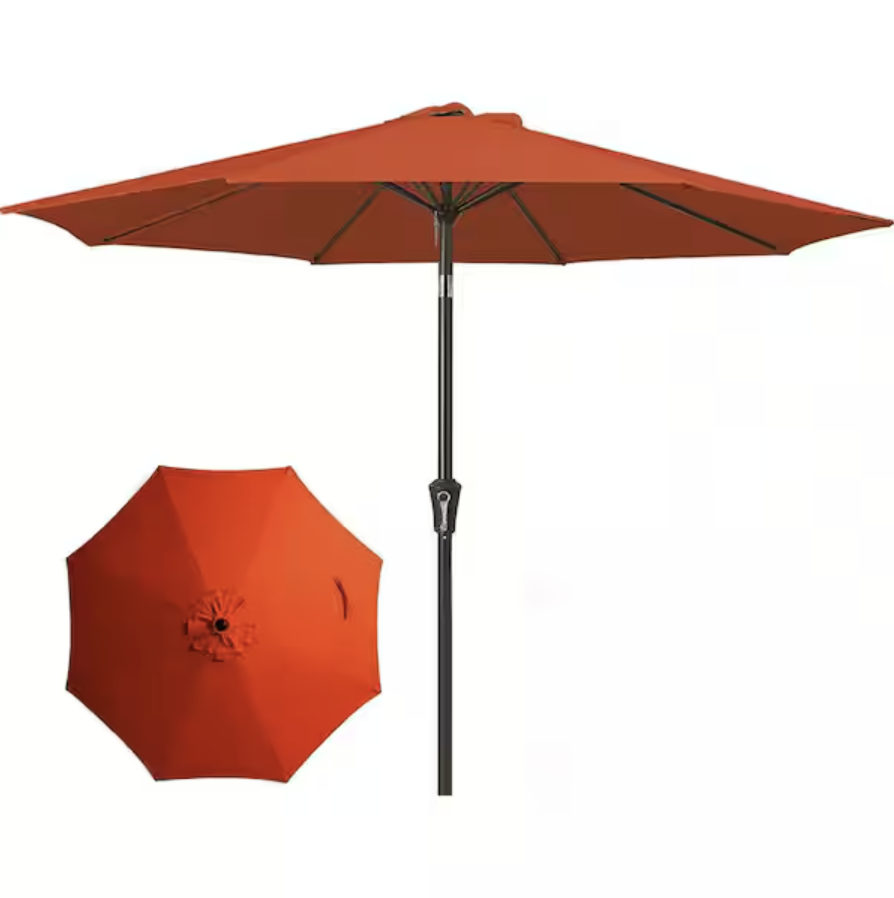
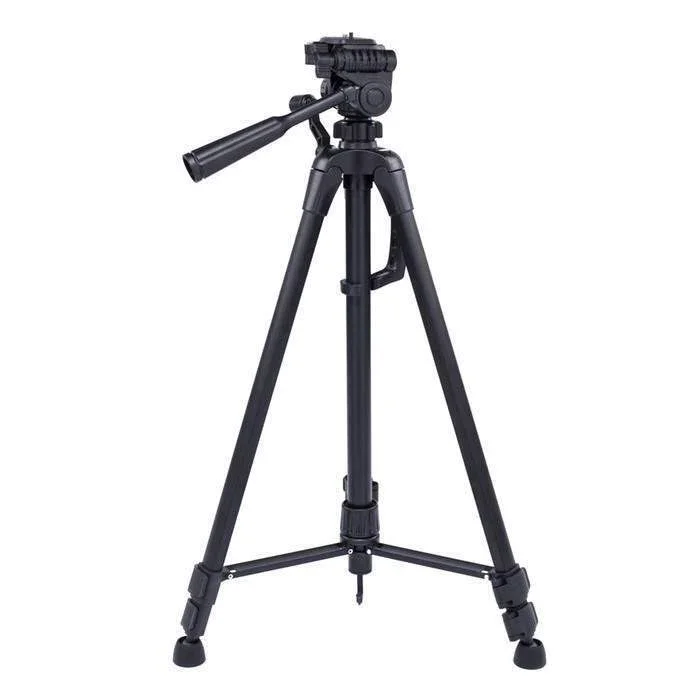
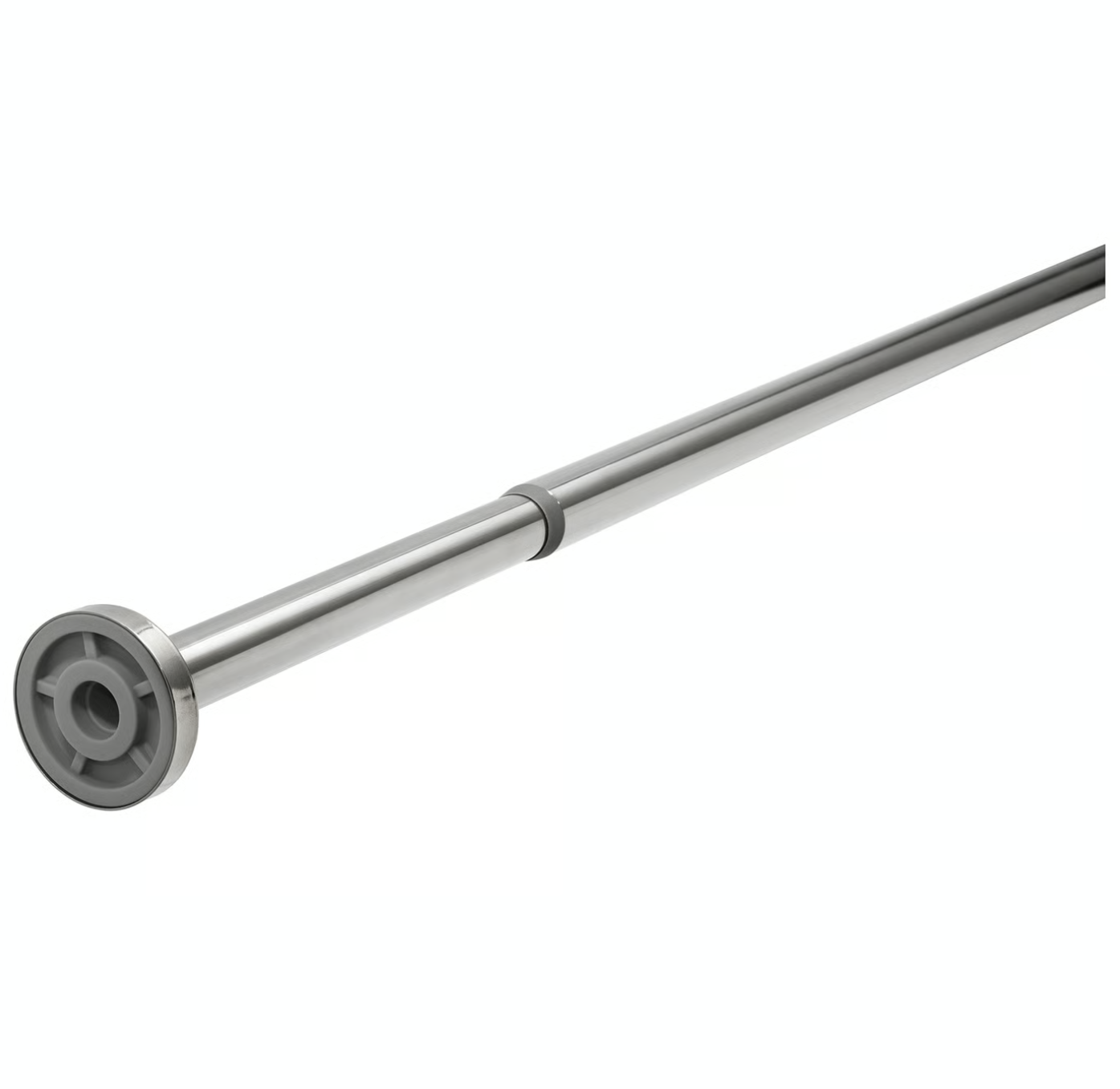
In order to improve the Duckhead design to be usable for at least 90% of the population, I propose expanding the canopy radius and changing the center rod to an adjustable design. Creating an adjustable rod would allow adults to use the Duckhead more comfortably, without excluding younger children (who are very likely to make up a large portion of the product’s users). To design an adjustable center pole, I would take inspiration from larger patio umbrellas (see below), as well as tools with telescoping features such as camera tripods and shower rods. The umbrella’s center rod already telescopes when users open it, so the design could simply be revised to allow users to control the degree to which the rod extends.
Appendix: Anthropometric Data Tables
Sources
Gordon, Claire C. et. al. 1988 Anthropometric Survey of U.S. Personnel: Summary Statistics Interim Report. March 1989. https://multisite.eos.ncsu.edu/www-ergocenter-ncsu-edu/wp-content/uploads/sites/18/2016/06/Anthropometric-Detailed-Data-Tables.pdf
Ergonomics Plus. RULA Employee Assessment Worksheet. https://ergo-plus.com/wp-content/uploads/RULA.pdf
Original Duckhead Umbrella. https://originalduckhead.com